مجلة علمية محكّمة · تصدر فصلياً
مجلة دراسات شرق أوسطية
منصة بحثية متخصصة تواكب تحولات الشرق الأوسط والعالم، وتجمع الدراسات والتحليلات الرصينة في العلوم السياسية والاقتصادية والاجتماعية والاستراتيجية.
- ISSN1811-8208
- إصدار فصليأربعة أعداد سنوياً
- تحكيم علميبحث علمي رصين
العدد المميز
العدد 116 صيف 2026 سنة 30
2026
أعداد المجلة
أحدث أعداد المجلة
عن المجلة
معرفة بحثية حول شرق أوسط متحوّل
مجلة دراسات شرق أوسطية مجلة علمية متخصصة ومحكّمة تصدر عن مركز دراسات الشرق الأوسط، وتقدّم قراءات موثوقة للمنطقة وقضاياها من خلال بحوث تلتزم بالمعايير العلمية المعتمدة.
عن المجلة01تحكيم علميتخضع البحوث المنشورة لقواعد التحكيم العلمي المتعارف عليها عالمياً.
02إصدار فصليأربعة أعداد سنوياً
03منصات التكشيفحضور في قواعد الفهرسة ومعاملات التأثير العلمية.
أخبار المجلة
آخر الأخبار والإعلانات
صدر حديثًا – العدد 116 من مجلة دراسات شرق أوسطية
ضمن إصدارات مركز دراسات الشرق الأوسط/ الأردن، وبالتعاون مع المؤسسة الأردنية للبحوث والمعلومات، صدر العدد (116) من مجلة "دراسات شرق أوسطية" (صيف 2026)، متناولًا جملة من القضايا والموضوعات الراهنة على الساحة الشرق أوسطية. يتناول المقال الافتتاحي "دور الوعي والإدراك الجماعي العربي للمهددات في إعادة رسم السياسات"، وأهميتة في فهم التهديدات والتحديات، ودوره في صياغة سياسات أكثر فاعلية لحماية المصالح العربية، مع التركيز على ديناميكيات المخاطر والتحولات الإقليمية والدولية. ويتضمن العدد مجموعة من البحوث والدراسات المحكّمة؛ حيث جاءت الدراسة الأولى بعنوان "نموذج (DRRI) وتحولات الحرب المعاصرة"– الدكتور محمد أبو بكر محمود (باحث بمركز الخبراء للدراسات الإنمائية وتحليل الأزمات– السودان)، في تحولات الحروب الحديثة من كونها صراعات عسكرية تقليدية إلى أدوات لإعادة تشكيل الدولة ضمن النظام الدولي، وتطرح نموذجًا تحليليًا قائمًا على ثلاثة أبعاد: التدمير، وإعادة التشكيل، وإعادة التوظيف، بهدف تفسير الأنماط المتكررة في الحروب المعاصرة، خاصة في الشرق الأوسط. كما تسعى إلى فهم العلاقة بين الصراع وإعادة هندسة البنية السياسية والجيوسياسية للدول. وتناقش دراسة "التجربة الحزبية المغربية: النظام السياسي والفاعلية الحزبية"– الأستاذ جمال الدنسيوي (باحث في الشأن السياسي والحزبي- المغرب)، طبيعة النظام الحزبي في المغرب منذ الاستقلال، ومدى قدرته على التأثير في صنع القرار السياسي، وتبحث في إشكاليات البنية التنظيمية للأحزاب وعلاقتها بالدولة، إضافة إلى مستوى الفاعلية السياسية، كما تسلط الضوء على التحديات التي تواجه العمل الحزبي في السياق المغربي. وتبحث دراسة "أزمة النزعات الانفصالية في العالم العربي وسبل الخروج"– الدكتور نظام بركات (أستاذ العلوم السياسية، وعضو فريق الأزمات العربي- ACT- الاردنّ)، في جذور النزعات الانفصالية وأسباب تصاعدها في بعض الدول العربية، وتتناول انعكاساتها على وحدة الدول واستقرارها السياسي والأمني، كما تقدم الدراسة مقاربات استراتيجية لمعالجة هذه الأزمات والحد من تداعياتهالأستاذ أما في باب أوراق تحليلية، فيتضمن العدد: • "الحرب على إيران وأمن الخليج"– اللواء المتقاعد محمد فرغل (باحث استراتيجي ورئيس سابق لمركز الدراسات الاستراتيجية في كلية الدفاع الوطني- الأردنّ)، حيث تحلل الورقة تداعيات أي مواجهة محتملة مع إيران على أمن منطقة الخليج، مع التركيز على الأبعاد العسكرية والاستراتيجية، كما تناقش انعكاسات ذلك على استقرار أسواق الطاقة والتوازنات الإقليمية. وتعرض سيناريوهات محتملة لتطور الصراع. • "تطور مؤشرات التنمية الاقتصادية في الأردن (2024–2026)"– الدكتور إبراهيم البطاينة (أستاذ الاقتصاد- جامعة آل البيت- الأردنّ) ويستعرض أبرز المؤشرات الاقتصادية في الأردن، ويحلل اتجاهاتها في ضوء التحديات الداخلية والخارجية. كما يناقش أثر السياسات الاقتصادية على النمو والاستقرار. • "الوضع القانوني للمقاومة الفلسطينية في القانون الدولي"– الدكتور محمد خليل الموسى (أستاذ القانون الدولي- الأردنّ)، ويتناول الإطار القانوني الذي يحكم حق الشعوب في مقاومة الاحتلال وفق القانون الدولي، ويناقش مشروعية المقاومة الفلسطينية في ضوء الاتفاقيات الدولية. كما يستعرض الجدل القانوني المرتبط بتوصيف أفعال المقاومة. • "الدور الصيني في الشرق الأوسط"– الأستاذ أشرف علي الناصر (باحث اقتصاد سياسي وعلاقات دولية- الأردنّ)، يحلل التقرير تنامي الحضور الصيني في المنطقة من خلال الأدوات الاقتصادية والسياسية. ويناقش انعكاسات هذا الدور على موازين القوى الدولية والإقليمية. كما يستشرف آفاق التوسع الصيني في الشرق الأوسط. • "رؤية وآليات لحماية المسجد الأقصى والقدس ومواجهة الانتهاكات الإسرائيلية"- الدكتور بيان العمري (مدير تحرير مجلة دراسات شرق أوسطية- الأردنّ)، حيث يستعرض أوراق ومخرجات ندوة علمية عقدت في العاصمة عمّان، ويلخّص أبرز السياسات الإسرائيلية تجاه المسجد الأقصى، والأبعاد القانونية والدينية لهذه السياسات. وينتهي التقرير بإرفاق الوثيقة التي توصّل لها فريق من الخبراء العرب بعنوان: "رؤية وآليات لحماية المسجد الأقصى والقدس ومواجهة الانتهاكات الإسرائيلية". ويتضمن العدد مراجعة لكتاب "أزمة الرأسمالية الديمقراطية" لمؤلفه الأمريكي مارتن ولف، قدمها الدكتور علي محافظة (أستاذ التاريخ في الجامعة الأردنية، وعضو هيئة تحرير مجلة دراسات الشرق الأوسط، والرئيس السابق لجامعة اليرموك- الأردنّ). كما يتضمن بيبليوغرافيا أعدها الأستاذ عصام عيادات (مساعد باحث متعاون مع مركز دراسات الشرق الأوسط- الأردنّ)، يتضمن العدد ملفًا بعنوان "أزمة العلاقات الأمريكية–الإيرانية (2015–2026)"، حيث يستعرض أهم الأدبيات والدراسات التي تناولت مسار هذه العلاقة منذ الاتفاق النووي عام 2015 حتى تصاعد التوترات، مع تصنيف موضوعي للمراجع، بما يوفر دليلًا علميًا للباحثين. ومجلة دراسات شرق أوسطية مجلة دورية فصلية محكّمة متخصصة، وصدر منها حتى صيف 2026 (116) عدداً، ويقع العدد الأخير هذا في (222) صفحة، وثمنه (3JD) داخل الأردن، و(5$) خارج الأردن.
صدر حديثاً العدد 115 من مجلة دراسات شرق أوسطية
ضمن إصدارات مركز دراسات الشرق الأوسط/ الأردن وبالتعاون مع المؤسسة الأردنية للبحوث والمعلومات صدر العدد 115 من مجلة "دراسات شرق أوسطية" ربيع 2026، وعالج موضوعات وقضايا متعددة وراهنة على ساحة العالم العربي والشرق الأوسط. يتناول المقال الافتتاحي "المشرق العربي ساحة حرب للآخرين"، والذي يهدف إلى تحليل تداعيات الحرب الأمريكية- الإسرائيلية على إيران وانعكاساتها على دول المنطقة، من خلال تسليط الضوء على التحديات الأمنية والسياسية والاقتصادية التي تواجه الدول العربية، وبيان أثر تحوّل الإقليم إلى ساحة صراع مفتوح، والحاجة إلى تعزيز التنسيق العربي لمواجهة هذه التداعيات. وتهدف الدراسة الأولى في العدد بعنوان "تطور العلاقات الصينية- القطرية: من الغاز الطبيعي إلى الشراكة الاستراتيجية"، والتي أعدّها كل من الدكتور سمير الشمايلة- الباحث المختص بالعلاقات الصينية- العربية في جامعة قطر، والدكتور محمد سلمان أستاذ الشؤون الدولية في جامعة قطر، إلى تحليل مسار العلاقات بين البلدين، وتوضيح كيفية انتقالها من تعاون قائم على الطاقة إلى شراكة استراتيجية متعددة المجالات تشمل الاقتصاد والاستثمار والتكنولوجيا، في ظل بيئة إقليمية ودولية متغيرة. وناقشت دراسة "تشكيل مجلس السلام وتداعياته على السلم والأمن في الشرق الأوسط"، التي أعدها الدكتور رائد أبو بدوية- أستاذ القانون والعلاقات الدولية في الجامعة العربية الأمريكية- فلسطين، التداعيات المحتملة لإنشاء أطر دولية جديدة لإدارة النزاعات في المنطقة، وانعكاساتها على الاستقرار الإقليمي والتوازنات السياسية. في حين سعت دراسة "مستقبل حركات الإسلام السياسي الفلسطينية في ضوء التحولات الإقليمية والدولية والصراع العربي-الإسرائيلي"، التي أعدها الدكتور عمر رحال مدير مركز إعلام حقوق الإنسان والديمقراطية- فلسطين، إلى تحليل التحولات التي تشهدها هذه الحركات، واستشراف مستقبلها في النظام السياسي الفلسطيني وخياراتها الممكنة من ناحية أو خيارات السلطة الوطنية ومنظمة التحرير الفلسطينية للتعامل معها. فيما تناولت الدراسة الأخيرة في باب البحوث والدراسات "مستقبل التحديات الفلسطينية الراهنة واستراتيجية الخروج من الأزمة"، والتي أعدها الدكتور رائد نعيرات أستاذ العلوم السياسية في جامعة النجاح الوطنية- فلسطين، أبرز التحديات التي تواجه القضية الفلسطينية، والخيارات الاستراتيجية الممكنة للتعامل معها في المرحلة القادمة. كما احتوى العدد في باب التحليلات والتقارير على تحليل استراتيجي بعنوان "القوة الجيوسياسية الأردنية"، وأعده اللواء الركن المتقاعد محمود ارديسات- مدير مركز الدراسات الاستراتيجية السابق في كلية الدفاع الوطني- الأردنّ، وتطرّق فيه إلى أهمية تحويل تحديات جغرفية المملكة إلى فرص سواء على المستوى الاقتصادي أو السياسي. ومجلة دراسات شرق أوسطية مجلة دورية فصلية محكّمة متخصصة، وصدر منها حتى ربيع 2026 (115) عدداً، ويقع العدد الأخير هذا في (170) صفحة، وثمنه (3JD) داخل الأردن، و(5$) خارج الأردن.
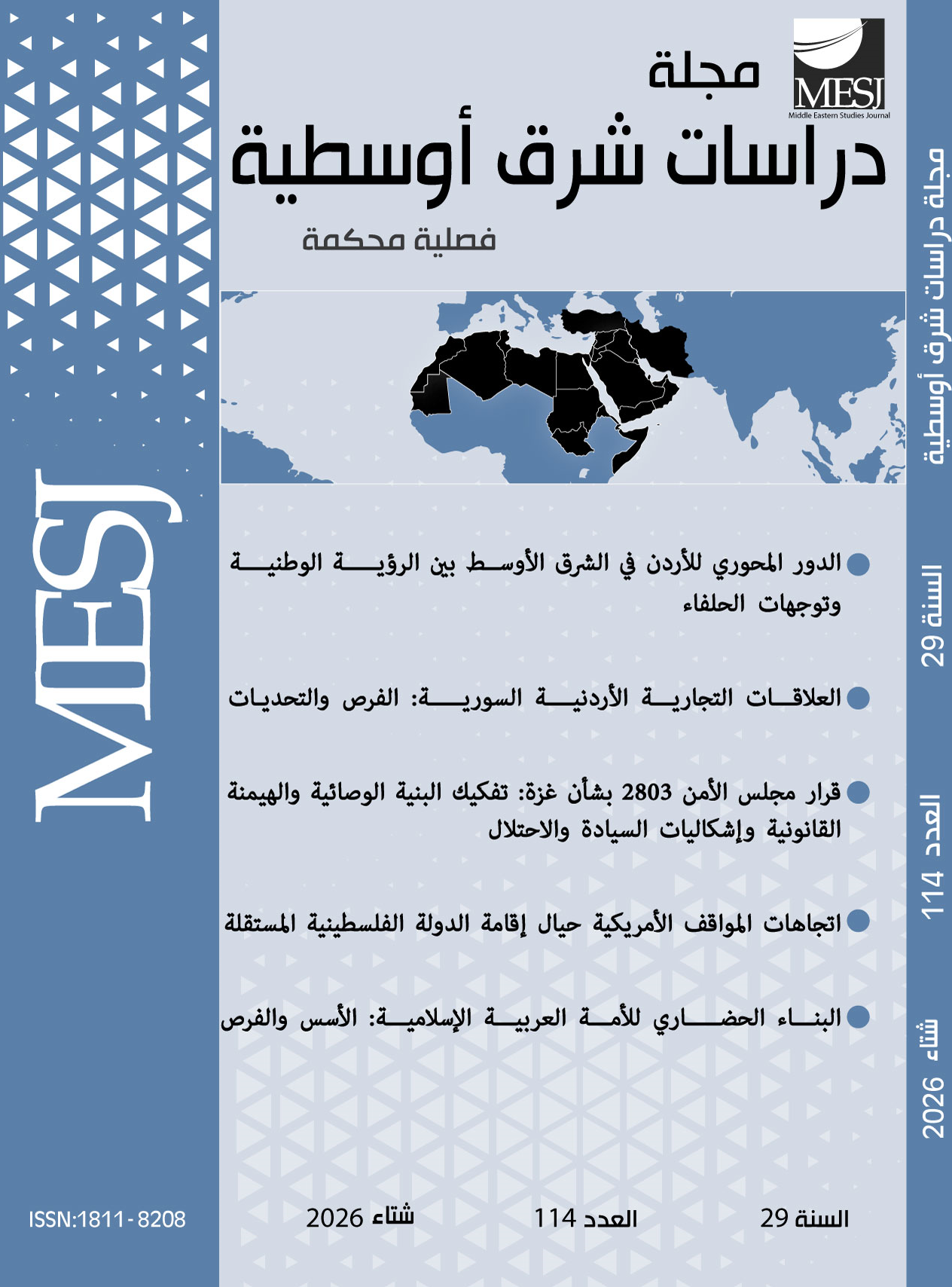
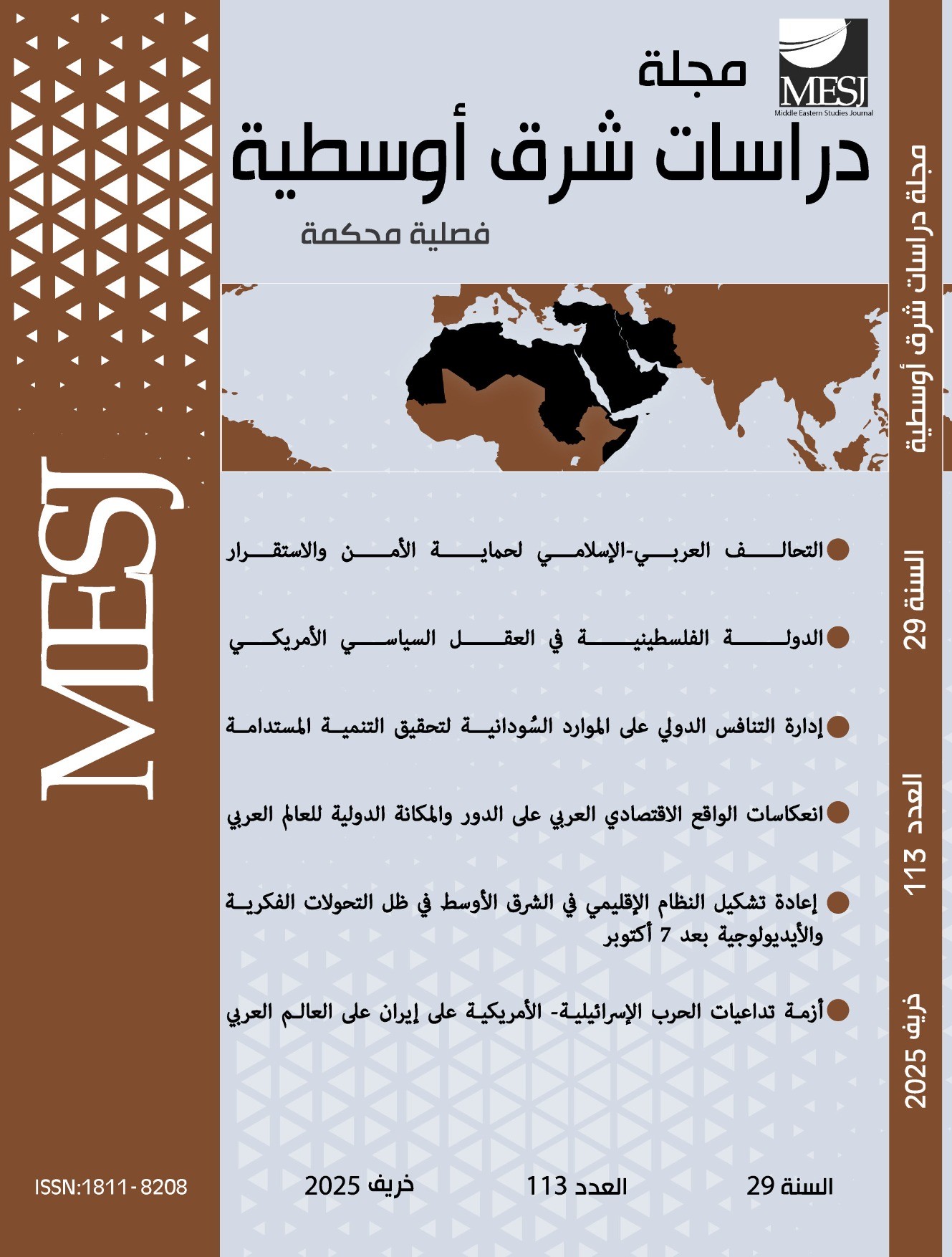
صدر حديثا: العدد 114 من مجلة دراسات شرق أوسطية
ضمن إصدارات مركز دراسات الشرق الأوسط/ الأردن وبالتعاون مع المؤسسة الأردنية للبحوث والمعلومات صدر العدد 114 من مجلة "دراسات شرق أوسطية" شتاء 2026، وعالج موضوعات وقضايا متعددة وراهنة على ساحة العالم العربي والشرق الأوسط. يتناول المقال الافتتاحي "الدور المحوري للأردنّ في الشرق الأوسط بين الرؤية الوطنيّة وتوجّهات الحلفاء"، والذي يهدف إلى تعزيز المقاربة السياسية والفكرية الأردنيّة التي انتهجتها المملكة بنظامها ومؤسساتها وقواها السياسية والاجتماعية خلال مائة عام من عمر الدولة، من خلال صناعة نموذج متقدّم في التوازن بين متطلبّات الخارج وضرورات الداخل الوطنيّ، والمحافظة على الثوابت والمصالح العليا، وتعزيز الاستقرار، وسدّ الباب أمام أي محاولات خارجية للعب بأمنه وسيادته. وتهدف الدراسة الأولى في العدد بعنوان "قرار مجلس الأمن 2803 بشأن غزة تفكيك البنية الوصائية والهيمنة القانونية وإشكاليات السيادة والاحتلال.. دراسة قانونية نقدية"، والتي أعدّها د. محمد خليل الموسى- الأردنَ، أستاذ فلسفة القانون، تحليل التحولات في موقع القانون الدولي وأدواته في إدارة النزاعات، ولا سيما في سياق القضية الفلسطينية، وترصد إشكالية القرار الذي يعيد تشكيل البيئة السياسية والأمنية في غزة عبر هندسة جديدة تُخضع الإقليم لإدارة دولية انتقالية تحت رعاية الأمم المتحدة، بحيث يُمنح "مجلس السلام" صلاحيات واسعة لإدارة الخدمات والمؤسسات، فيما تُمنح "قوة الاستقرار" تفويضاً مفتوحاً باستخدام "جميع التدابير اللازمة"، بما يفتح الباب أمام نموذج وصاية ذات طابع عسكري ويُنتج فراغاً في المساءلة القانونية ومجالاً محتملاً للإفلات من العقاب. وناقشت دراسة ""تداعيات الحرب الإسرائيلية- الأمريكية ضدّ إيران على العالم العربي"، التي أعدها د. قاصد محمود- الأردنّ، خبير في الشؤون الاستراتيجية العربية، قدرة حكومات العالم العربي على احتواء التداعيات السلبية للحرب عليه، بما يؤدي إلى انخفاض مستوى التهديد لاستقرار المنطقة وللأمن القومي العربي. وقد اعتمدت الدراسة على المنهج الوصفي- التحليلي ومنهج تحليل النظم، من خلال تحليل بيئة الحرب، ودوافع أطرافها، وتتبّع تداعياتها وسيناريوهات التعامل معها. وخلُصت الدراسة إلى أن هذه الحرب، إلى جانب تداعياتها، شكلت نموذجًا لخلق أزمة في العالم العربي. وقد ساهمت عوامل عديدة في تصعيد هذا التهديد لأمن المنطقة واستقرارها. ومن أهمها: 1) تردد الحكومات العربية في اتخاذ موقف حاسم، 2) انتهاك سيادة بعض الدول العربية أو تعريض مواطنيها للخطر، 3) تباين المواقف الرسمية بشأن تداعيات الحرب ونتائجها، 4) تزايد المخاوف العربية من هيمنة أحد الأطراف المتحاربة على المنطقة وتنفيذه لمخططاته لإعادة رسم خريطة الشرق الأوسط. في حين سعت دراسة "البناء الحضاريّ للأمّة العربية الإسلامية: الأسس والفرص"، التي أعدها د. عودة الجيوسي- الأردن، باحث في التنمية المستدامة والابتكار، إلى توضيح مدى إدارك الفكر العربي الإسلامي للفرص البارزة لتقديم بناء حضاري حديث ومتقدّم يخدم البشرية جميعاً، حيث تجري الدراسة عبر منهج وصفي تاريخي مقارن عملية مقارنة بين الأسس الفكرية لكلّ من الحضارة الإسلامية والحضارة الغربية. فيما تناولت الدراسة الأخيرة في باب البحوث والدراسات "اتجاهات المواقف الأمريكية حيال إقامة الدولة الفلسطينية المستقلة"، والتي أعدتها د. سوسن إسماعيل العساف- العراق، أستاذ العلوم السياسية/ جامعة النيل الأوروبية-لندن، وباحثة متعاونة مع مركز دراسات الشرق الأوسط/ الأردن. الدوافع المنشئة للمشاريع التي طرحتها الإدارات الأمريكية لإقامة الدولة الفلسطينية أو حل الدولتين، والتحديات التي واجهتها، سواء على الصعيد الإسرائيلي أو الفلسطيني- العربي أو الأمريكي- الدولي، وتوضّح كيف أنّ مسألة إقامة الدولة الفلسطينية المستقلة قد جرى التعامل معها غربياً وأمريكياً وإسرائيلياً حتى اُفرِغَت من مضمونها، وتقلصت مساحة الأراضي الفلسطينية المخصصة لها منذ قرار التقسيم عام 1947 رقم (181). كما احتوى العدد في باب التحليلات والتقارير على تحليل حول "العلاقات التجارية الأردنية السورية: الفرص والتحديات". واختتُم بمراجعة كتاب حول ""الأحزاب السياسية الأردنية: الواقع والطموح"" في باب مراجعات الكتب. ومجلة دراسات شرق أوسطية مجلة دورية فصلية محكمة متخصصة في مجالات التحول القصيرة التي لا تستوعبها الدراسات والبحوث الطويلة، وقد صدر منها حتى شتاء 2026 (114) عدد، ويقع العدد الأخير هذا في (200) صفحة، وثمنه (3JD) داخل الأردنّ، و(5$) خارج الأردنّ.
بحث علمي رصين
معاملات التأثير للمجلة
ISSN1811-8208
دورية النشرإصدار فصلي
معايير البحثتحكيم علمي